


The right car for your yard is rarely just the cheapest lot in Japan.
New Zealand dealers know the Japanese auction market. The harder question is what to buy when suitable stock costs more, retail buyers are selective and a car that looked cheap at auction can become an expensive one to hold.
The most useful starting point isn't a list of Japan's popular models. It's the enquiries coming into your dealership, the cars you've actually sold and the price at which the next one still makes commercial sense.
Discuss a vehicle sourcing requirement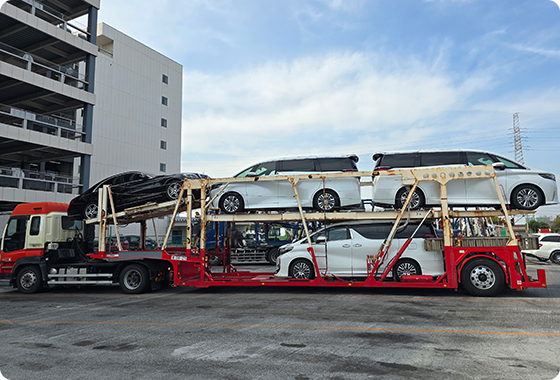
A popular model isn't necessarily the stock your customers will buy.
Toyota Aqua, Prius and other Japanese imports have an established place in New Zealand. But nationwide registrations don't show which version your customers ask for, what they are prepared to pay or how long a similar car has sat on your forecourt.
A dealer taking orders for practical hybrids has a different buying brief from one sourcing a specific four-wheel-drive SUV. Even within the same model, the year, trim, mileage, safety equipment and service history can change the saleability of an individual car.
Recent customer enquiries and your own sold-stock history tell you more about what needs replacing than a national top-ten list does. If a customer has specified a particular vehicle, use those requirements to narrow the auction search. For speculative stock, compare what sold with what is still waiting for a buyer.
Two cars can match the model request. Only one may match the buyer.
Consider a dealer looking for a Land Cruiser Prado against a customer's specification. Several auction vehicles might meet the requested year and engine. That doesn't settle the decision if one has undocumented modifications, another has visible corrosion concerns and a third comes with more useful supporting records.
For that buyer, an acceptable example may be defined by its four-wheel-drive specification, condition underneath, accident disclosures and maintenance history. A lower auction estimate cannot make an unsuitable vehicle suitable.
The same thinking applies to everyday stock, though the details will differ. On an economical hatchback, the equipment and condition customers expect at a particular price may matter more than an optional feature. Set the non-negotiables before the lot appears, not while bidding is under way.
A good sourcing brief makes it easier to reject the wrong car early — and concentrate on the right one.
The maximum bid should come from your New Zealand selling price.
It's tempting to start with an attractive Japanese auction estimate and calculate the rest afterwards. For a dealership, the more useful calculation runs the other way. Begin with a realistic selling price for that exact specification, then allow for the costs of bringing it to market and the return the business needs.
Japan-side fees, inland transport, freight and exchange rates form only part of the picture. New Zealand customs and GST treatment, entry certification, any necessary repairs and applicable Clean Car Standard charges or credits also affect the result. Your importer must use the actual vehicle and account arrangements when assessing those costs.
If the figures work only when everything goes perfectly, the bid ceiling may be too high. A vehicle can be good stock at one purchase price and poor stock at another. When bidding passes the limit, let the lot go.
Before the lot makes your shortlist
Exact version, equipment, condition limits and any features a customer will not compromise on.
Available vehicle evidence and any known New Zealand compliance, shipping or handling questions.
A maximum auction amount that still works for your business after the foreseeable costs.
Can this particular vehicle be brought to market in New Zealand?
The Japanese export documents and auction details are useful, but they do not replace New Zealand's border, biosecurity and entry-certification requirements. A modified vehicle, a model with incomplete standards evidence or a car with significant damage may need additional assessment.
For a familiar model, the normal compliance route may be straightforward. For an unusual specification or a modified vehicle, check the path with your New Zealand entry-certification provider before taking on a commitment you cannot readily unwind.
There's no need to turn every purchasing discussion into a regulatory seminar. The practical requirement is simple: identify anything that could change whether the particular car can be registered, how much it costs or when it becomes available for sale.
Tell us what you're trying to buy. We'll discuss the Japan-side sourcing.
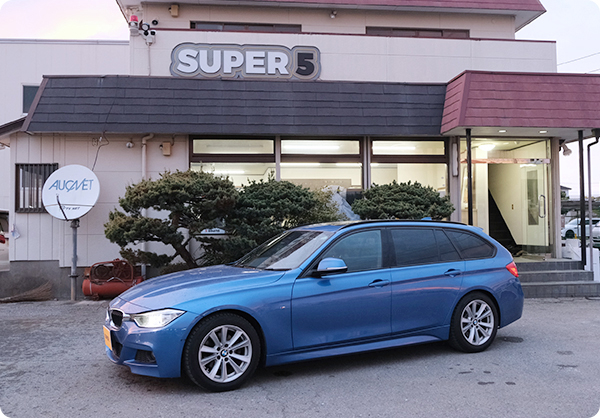
SUPER5 Auto holds formal USS auction membership in Japan. Dealers can send a target model, an existing auction lot or a defined list of purchasing requirements to discuss potential auction candidates.
Before any bid, you confirm the specific candidate vehicle and its maximum bid amount. SUPER5 participates only after that authorisation. Whether a suitable vehicle appears — or whether a bid succeeds — depends on the actual auction market.
Where a purchase succeeds, collection, inland transport, export preparation and international shipping can be discussed according to the agreed order. The exact fees, documents and service responsibilities should be made clear before committing.
What does your next order actually need?
Send the target models, year and trim preferences, quantity, condition limits and your maximum bid range. If you've already found a lot at auction, include its reference and the details you want clarified.
We can discuss a sourcing arrangement around those requirements, without assuming a particular car is available or that every check can be completed before the auction.


